
Beautiful Plants For Your Interior
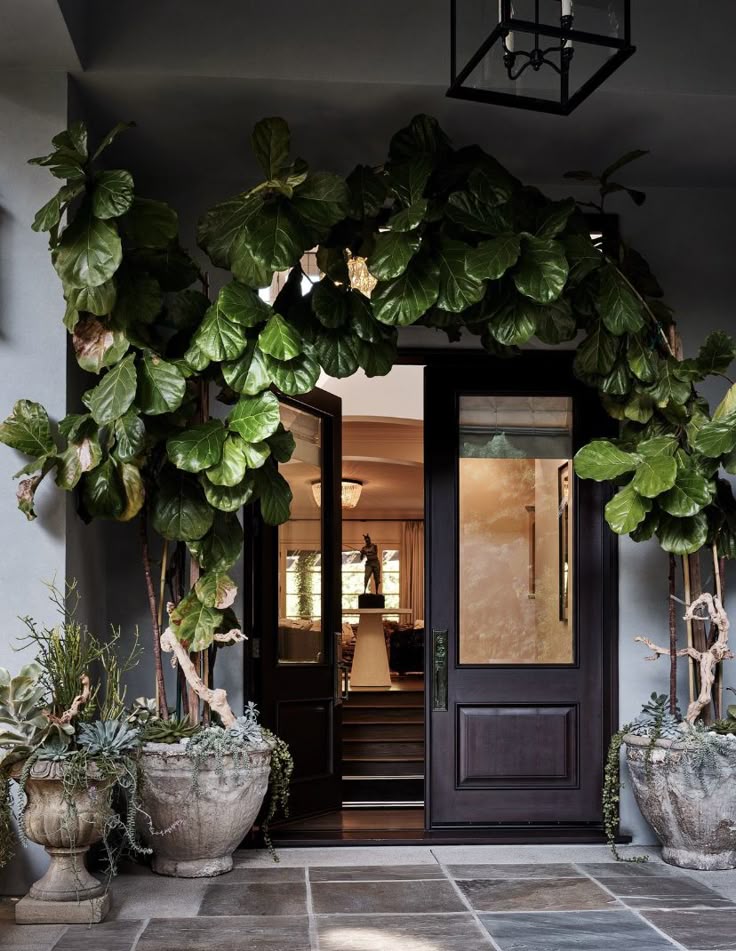
Gardens are not just about open soil and flower beds—they are canvases for personal expression, relaxation, and natural beauty. One of the most versatile tools in a gardener’s toolkit is the humble pot or planter. From small herb containers on a windowsill to large ceramic urns framing a grand entrance, pots and planters offer both functionality and artistic appeal in any outdoor space.
Whether you’re a novice balcony gardener or a seasoned horticulturist, choosing the right planters can elevate your garden’s visual harmony while supporting healthy plant growth. In this article, we’ll explore the world of garden pots and planters—their types, materials, placements, and inspiring ways to use them creatively.
Pots and planters do more than just hold soil. They:
Expand gardening space: Perfect for small patios, balconies, and rooftops where planting in the ground isn’t possible.
Provide mobility: You can move them around to catch the sun, protect from frost, or redesign the space seasonally.
Offer soil control: Great for plants that need specific pH levels or well-drained soil.
Add design elements: Shape, color, and texture of pots can complement your garden style.
Using pots and planters strategically allows for flexibility and artistic flair, all while giving plants the environment they need to thrive.
Here are some of the most common and creative planter types used in gardens today:
These classic reddish-brown clay pots are beloved for their rustic appeal. Terracotta is porous, which helps with aeration and prevents overwatering, but they can dry out quickly and are fragile in freezing temperatures.
More decorative and often colorful, ceramic pots are great for ornamental plants. The glazing seals the surface, retaining moisture longer than terracotta.
Lightweight, affordable, and weather-resistant, plastic planters come in a variety of shapes and styles. They’re ideal for large arrangements or when weight is a concern (like on balconies).
These offer a modern, sculptural look and can handle large plants or trees. Heavy and durable, they stay put even in wind but may be difficult to relocate.
Natural and charming, wooden boxes or barrels blend beautifully into garden environments. Choose rot-resistant wood like cedar or redwood and use liners to extend their life.
Industrial or vintage-inspired, metal planters add character. However, they heat up quickly under the sun and may need inner linings to protect plant roots.
Great for vertical gardening, especially in small spaces. You can plant trailing vines, herbs, or flowering plants and hang them from hooks or walls.
Perfect for busy gardeners, these pots include a reservoir system that ensures consistent moisture levels, reducing watering frequency.
Choosing the correct pot is about balancing aesthetics with plant health. Here’s what to consider:
Size Matters: A pot that’s too small will restrict root growth; one that’s too large may hold excess water. Choose a size proportionate to your plant.
Drainage is Key: Ensure there are holes at the bottom to prevent root rot. You can place a saucer underneath to catch excess water.
Material Consideration: Match the pot’s material to the plant’s water needs. Succulents love porous terracotta, while thirsty plants might prefer glazed ceramic.
Pro tip: Always elevate your pots slightly above the ground (with pot feet or bricks) to improve drainage and airflow.
Thinking outside the box—or pot—can bring surprising charm to your garden:
Repurposed Items: Old boots, teapots, wooden crates, or even bathtubs can become whimsical planters.
Vertical Towers: Stack pots in a spiral or tiered form to create a dramatic garden tower.
Color Coordination: Match planter colors to your flowers for a bold visual effect, or go minimalist with monochrome pots and varied plant textures.
Seasonal Swaps: Use planters to rotate seasonal blooms—tulips in spring, dahlias in summer, mums in fall, and evergreens or poinsettias in winter.
Theme Gardens: Create a succulent corner with low, wide terracotta pots, or an herb garden in matching ceramic planters labeled with chalk tags.
A garden with a mix of planters can feel chaotic—or artfully curated. Here’s how to bring balance:
Group in Odd Numbers: Clusters of three or five pots create a natural, pleasing look.
Vary Heights: Use stands or place pots on benches and steps to add dimension.
Match the Surroundings: Rustic stone pots blend in a cottage garden, while sleek metal planters suit modern patios.
Focal Point Strategy: Place large or striking planters near entryways, garden benches, or water features to draw the eye.
Your planters need to endure sun, rain, and even snow, depending on your climate. Here’s how to plan for the seasons:
Summer: Plastic and metal pots can overheat. Move them to shaded areas or use clay pots to prevent overheating roots.
Winter: Ceramic and terracotta pots may crack from freezing moisture. Move sensitive pots indoors or use frost-resistant containers.
Rainy Seasons: Ensure pots have adequate drainage and aren’t sitting in waterlogged spots.
Potted plants need a bit more attention than in-ground ones. Here are a few care tips:
Water Regularly: Pots dry out faster. In summer, you may need to water daily.
Fertilize More Often: Nutrients leach from pots quickly, so supplement with liquid fertilizer every few weeks.
Repot When Needed: Plants outgrow pots. Signs include roots poking from the drainage holes or wilting despite watering.
Clean Pots Seasonally: Remove algae or salt buildup with a brush and mild vinegar solution.
Ultimately, pots and planters are more than tools—they’re decorative statements. A line of modern concrete pots can define the edge of a walkway. A row of hanging baskets can soften a stark fence. An antique urn can be the crown jewel in a rose garden.
Mixing different planter types allows you to tell your garden’s story in layers—colors, materials, textures, and heights come together to shape the garden’s personality.
Pots and planters are powerful elements in garden design. They allow even the smallest spaces to burst with life and give gardeners the creative freedom to experiment, decorate, and grow. Whether you’re planting herbs in your kitchen nook or building a lush patio oasis, the right planters can transform any space into a thriving green retreat.
Let your imagination root and bloom—one pot at a time.